Getting Google reviews as a garage: the routine at the desk, the wording and the law
How a garage goes from one review to 21 without a fake one: who asks, when, with what words, and what Google and UK law forbid. Real numbers.
By Daniel Stoychev, Webso Digital · 5 October 2026 · 7 min read
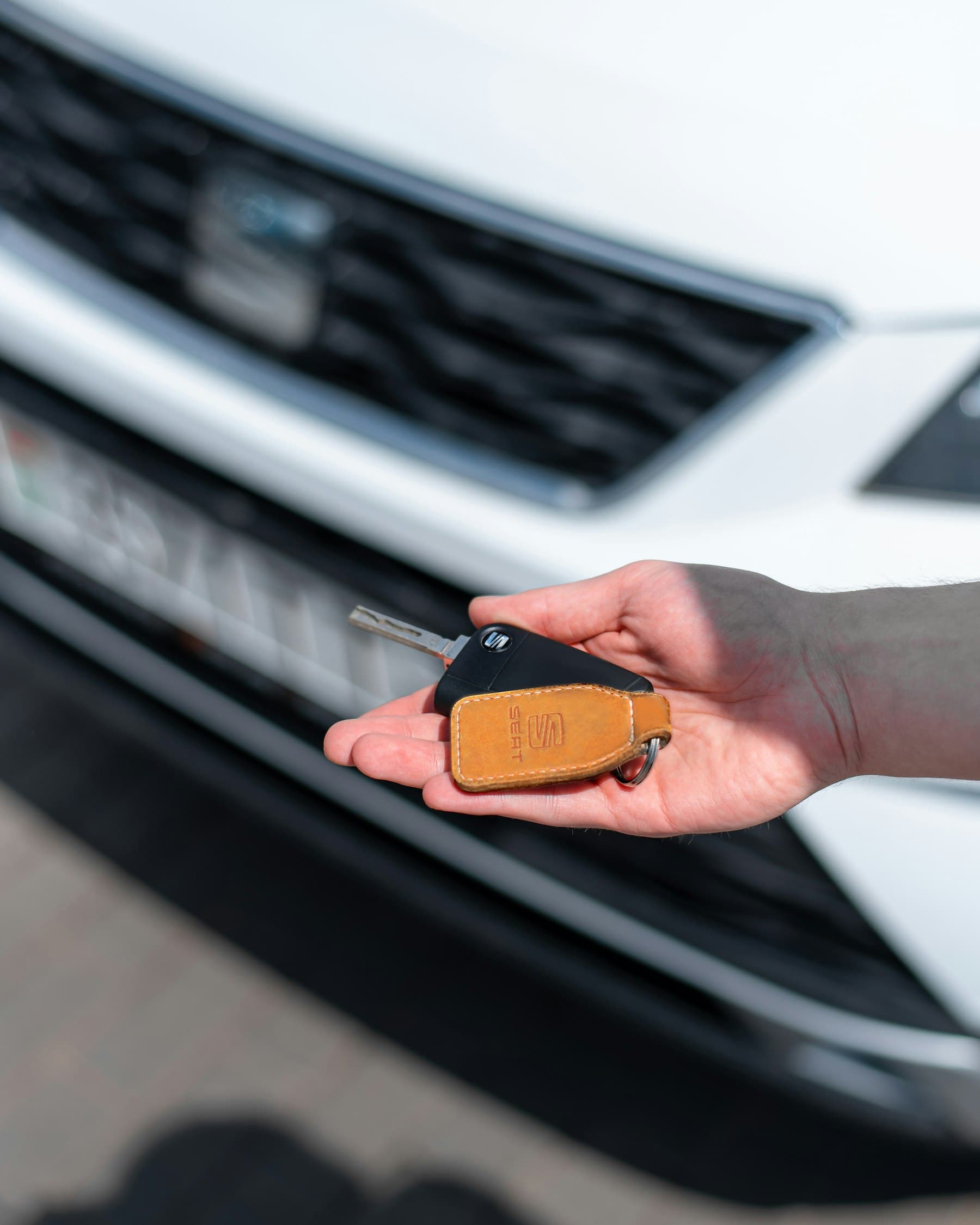
The person who did the job asks for the review, at the moment the keys go back, with one sentence and a card the customer can scan, and the request is repeated by text twenty minutes later with the link. That routine, done every time, took a one-person remapping business from one Google review at launch to 21 ten weeks later, all five stars, none of them bought, gated or written by a friend. It is also the only part of the map that the website cannot do for you: the map pack that garage sits in reads 241, 66 and 21, and reviews are the whole difference between third place and first.
What the map actually counts
Five things, in roughly this order: your average rating, how many reviews you have against the garages beside you, how recently the last one arrived, whether they keep arriving at a steady rate, and whether you reply. Drivers filter the same way without knowing it: a 4.9 from 60 beats a 5.0 from 6, and a garage whose last review is from last year looks closed. The count you need is not a number from a blog post. Search your main job and your town, look at the three garages in the map, and read their counts. That is the target, and it is different in every town.
The keys-back moment
Nobody leaves a review for a garage from their sofa a week later; they leave it in the car park, or not at all. So the ask happens when the keys go back, from the person who did the work, in words that make it easy to say yes to: "If you were happy with that, a Google review helps us more than anything. The card has the link." Then stop talking. The card carries a QR code to the review form, nothing else. Twenty minutes later a text goes out with the same link and one line of thanks, because the driver is now sitting somewhere with the phone in hand and the job fresh.
Who asks
The technician, not the desk. A review request from the person who explained the fault and fixed it lands as a favour between two people; the same request from reception lands as policy. In a one-person business that is easy. In a bigger garage it means every technician carries a card and knows the sentence, and the owner can see which bays the reviews come from.
The reply, the same week
Reply to every review within a few days, in two or three lines, mentioning the actual job: the van that pulled better after the map, the DPF that was cleaned rather than replaced. A reply that names the work tells the next reader the review is real, tells Google the profile is attended, and gives the assistants that now answer "best garage in" questions a line to quote. Never repeat a claim from the review as if it were yours, never argue, and never offer anything in the reply.
Bad reviews
One calm, factual reply, within a day, that takes the conversation offline: what you understand happened, what you have checked, a phone number. Drivers reading the profile are watching how you handle it, not whether it happened. Do not ask the customer to remove it, do not reply twice, and do not report a genuine review as fake because you disagree with it; Google reads those reports and the pattern counts against the profile.
The law, and Google's rule
Since April 2025 the Digital Markets, Competition and Consumers Act makes it an offence in the UK to publish fake reviews, to commission them, or to hide genuine negative ones. Google's own rules add two more lines: no incentives of any kind for a review, and no asking only the customers you expect to be happy. That second one catches a lot of garages. A survey that routes the pleased customers to Google and the unhappy ones to a private form is review gating, and Google removes reviews it traces to it. Ask everyone, the same way, every time.
A review a week beats twenty in a day
Google watches the rate. Twenty reviews in a weekend from a WhatsApp group of mates looks like what it is, and the profile loses them and sometimes more. One or two a week, every week, from customers who were in the garage that day, is the pattern that moves the map and keeps it moved. The business above went 1, 7, 14, 21 over ten weeks and nothing about it looked unusual to anyone, including Google.
The month on one page
- A card with the QR code on the desk and in every technician's pocket; the sentence agreed and used every time.
- The text with the link, twenty minutes after the keys go back, from the garage's number.
- Every review replied to within the week, naming the job.
- Every one-star answered once, calmly, with a phone number.
- The count checked against the three garages in the map on the first of the month, and the target rewritten.
- Nothing offered, nobody gated, no friends, no staff, no bursts.
Reviews are the owner's half of the job. The other half, the profile that puts you in the map and the pages that win the expensive searches, is what we do, and the two only work together. If you want to know what your profile is missing before you start asking, the free audit tells you, with the three garages above you named.
Questions on this topic
Can I offer a discount or a free wash for a Google review?
No. Google removes incentivised reviews when it finds them and can suspend the profile, and under UK law since April 2025 paying for reviews is an offence. Ask well instead: the person who did the job, at the keys-back moment, with a card.
Can I ask only the customers I know were happy?
No. That is review gating, and Google's policy forbids it. Ask everyone the same way. Unhappy customers rarely leave a review when asked politely, and the one who does gives you a chance to reply in public, which readers trust more than a perfect score.
Do Facebook recommendations count on Google?
No. The remapping business in our case study had two dozen Facebook recommendations and one Google review at launch, and the map read the one. Keep the Facebook page; ask for the Google review.
How many reviews does a garage need?
As many as the garages beside you in the map, then a few more, arriving steadily. Search your main job and your town and read the three counts. For a specialist in a mid-sized town that may be twenty; for an MOT centre in a city it may be two hundred.
Should I reply to every review, even a two-word one?
Yes, briefly. A reply tells the next reader the garage is attended and gives the profile fresh text. Two lines, the job named, no claims repeated.
Is review schema on my website worth adding?
Not for your own reviews. Google does not accept self-serving review markup for rich results, and it adds nothing to the map. Show the reviews on the site as plain text and spend the effort on asking for the next one.